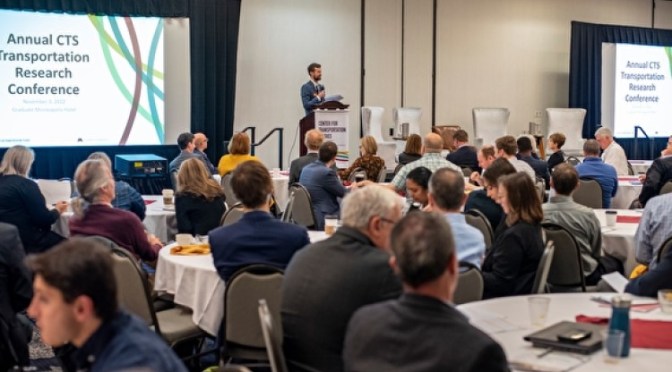
Mark your calendar for our annual conference! The event convenes researchers and practitioners from Minnesota and the Upper Midwest to highlight new learning, emerging ideas, and the latest innovations in transportation. Attendees learn about research findings, implementation efforts, and engagement activities related to a variety of transportation topics.
Continue reading 2024 CTS Transportation Research ConferenceTag Archives: center for transportation studies
States Explore Fee Alternatives to Fund Roadway Infrastructure
Reprinted from CTS News; March 5, 2024
—Pam Snopl, CTS senior editor
The fuel tax is the backbone of our roadway funding system, but its ability to generate revenue is under pressure: more vehicles are using less fuel—or no fuel at all. In response, many states are turning to alternative revenue mechanisms to help bridge the funding gap.
Continue reading States Explore Fee Alternatives to Fund Roadway InfrastructureStormwater Research Sees Practical Application in Twin Cities Metro, St. Cloud
Sophie Koch, CTS News, February 22, 2024
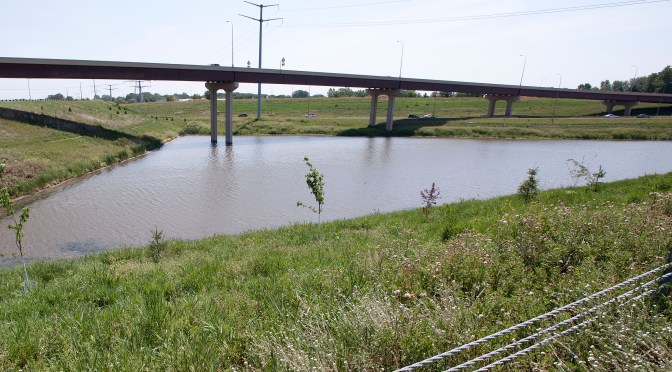
A long-running series of U of M research projects aimed at improving stormwater quality are beginning to see practical application by stormwater specialists from the Twin Cities metro area and beyond.
Continue reading Stormwater Research Sees Practical Application in Twin Cities Metro, St. CloudMATI Program RFP Webinar Materials, FAQ Now Available
Webinar materials and a new FAQ about the Mobility, Access, and Transportation Insecurity (MATI) Program RFP process are now available on the MATI website.
Continue reading MATI Program RFP Webinar Materials, FAQ Now AvailableSkid-resistant pavement markings could help stop slips
Reprinted from Catalyst, January 23, 2024
Retroreflective pavement markings such as bike lane indicators, crosswalks, and lane lines are designed to increase safety. However, the same retroreflective properties that add nighttime visibility can also make them slippery for vulnerable road users such as pedestrians, bicyclists, and motorcyclists—especially in wet or icy conditions.
Continue reading Skid-resistant pavement markings could help stop slipsSafety measures, service improvements key to increasing post-pandemic transit use in Greater Minnesota
Originally published in Catalyst, January 16, 2024
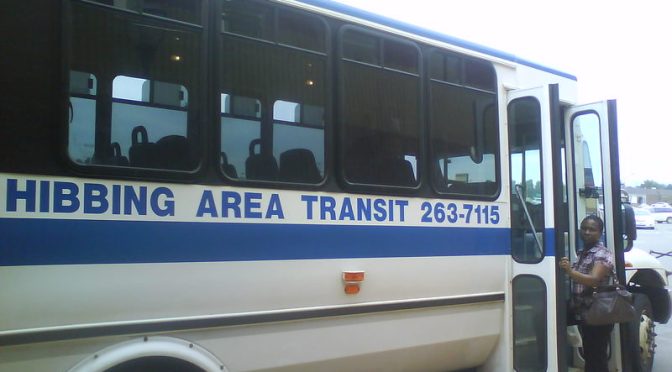
The COVID-19 pandemic took a major toll on public transit and shared transportation services in Minnesota, causing ridership and revenues to plummet. And it wasn’t just an urban problem: Smaller rural agencies and services saw sharp declines, too.
Continue reading Safety measures, service improvements key to increasing post-pandemic transit use in Greater MinnesotaCybersecurity for Automated Vehicles
Article reprinted from the Center for Transporation Studies, July 2023
Continue reading Cybersecurity for Automated VehiclesOn the Road to Somewhere
Measuring access to opportunities is the future math of mobility.
In December 2022, Twin Cities policymakers and planners celebrated the opening of the D Line, the latest bus rapid transit project by Metro Transit. The new line strengthened the spine of service running north-south through the urbanized core of the region: from Brooklyn Center, following Minneapolis’ long axis to the south, through the gridded suburbs of Richfield and Bloomington all the way to the Mall of America. Largely replacing Minnesota’s single busiest bus route (Route 5), the D Line features expanded high-frequency hours, higher-capacity vehicles, and improved trip speeds. The D Line represents the best of local transit service, an undoubtable improvement for the mobility of transit riders.
Continue reading On the Road to SomewhereModel Helps Identify Strategic Sites for Truck Charging Stations
An influx of electric trucks is expected on our highways, but where will they charge? Few public stations today can serve large freight vehicles. The challenge? Fast chargers are expensive, and new ones need to be placed strategically to keep pace with growing demand.
Continue reading Model Helps Identify Strategic Sites for Truck Charging StationsPreparing for the Future of CAVs: Cybersecurity, Winter Weather Research
Connected and automated vehicles (CAVs) hold promise for improving transportation operations—but could also provide pathways for “malicious actors” to compromise vehicle security, said Rafael Stern, a U of M assistant professor, in a recent CTS webinar.
Continue reading Preparing for the Future of CAVs: Cybersecurity, Winter Weather Research