In 2015, Clear Roads project 13-04 published a Manual of Best Practices to compile the various products agencies use as well as guidance for preventing corrosion on highway maintenance equipment.
What’s the right speed limit for local roads?Legislation passed in 2019 makes it possible for Minnesota cities to set speed limits below 25 mph without special approval. As a result, it’s a question many local transportation officials have been considering.
A U of M study determined that the leaves, flowers, and seeds dropped by trees in urban areas are a big polluter of stormwater. The project researchers recommend street sweeping as one way to address this issue—and they provide guidance on how to effectively time and target sweeping efforts.
Deer-vehicle collisions are a significant safety hazard on Minnesota roads. While MnDOT strives to employ safety measures on roads at high risk for these collisions, identifying these areas can be challenging. Numerous variables impact where deer are more likely to be present near roads, and many collisions go unreported. A new tool estimates the risk levels—based on road type, geographical features, deer population and other characteristics—for each road segment in the state. In addition, a new method of estimating reporting rates will help MnDOT understand the extent of deer-vehicle collisions in a specific area.
High Friction Surface Treatments (HFST) are pavement treatments that involve applying a high-quality aggregate and binder to pavement surfaces to help maintain friction. The treatment has significantly reduced crashes and injuries in wet and dry road conditions in high crash areas. However, HFST can be a costly treatment. Researchers, funded by MnDOT and the Local Road Research Board, are evaluating if taconite, a readily available Minnesota byproduct, can be an effective alternative treatment in low volume areas.
Last month, AASHTO’s Winter Weather Management Technical Services Program, Maintenance Committee and Maintenance Operations Technical Working Group jointly held its 5th National Briefing on Winter Maintenance and Road Weather to showcase the activities of the various organizations dedicated to winter and year-round transportation maintenance.
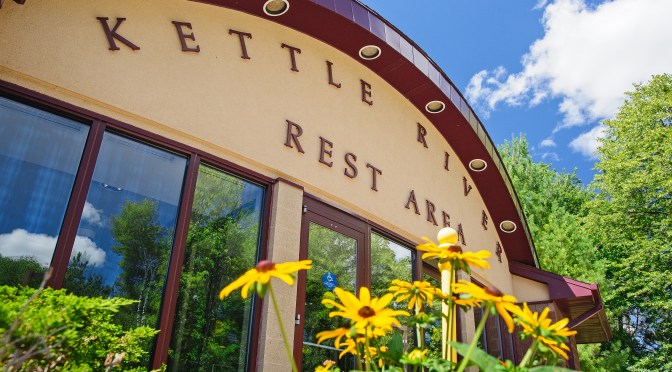
MnDOT manages over 50 large safety rest areas (SRAs) with several amenities and travel information centers (TICs) with expanded customer service. Many of the SRA and TIC buildings were built before the significant advancements in energy efficiency and building technology made in the past few decades.
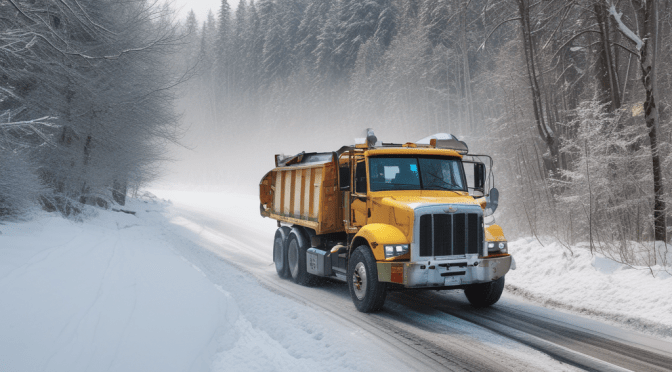
Automatic vehicle location (AVL) systems using GPS are creating opportunities for local agencies to improve their operations even in real time. A five-page guide and a video from the LRRB highlight the features and benefits of such systems for snowplowing.
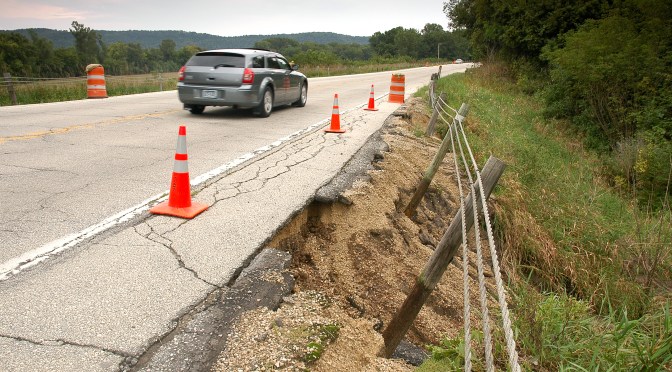
MnDOT continues working on systematically and proactively assessing stability of slopes along its highway system. Efforts are aimed at minimizing the potential for slope failures that could result in threats to public safety and costly repairs.
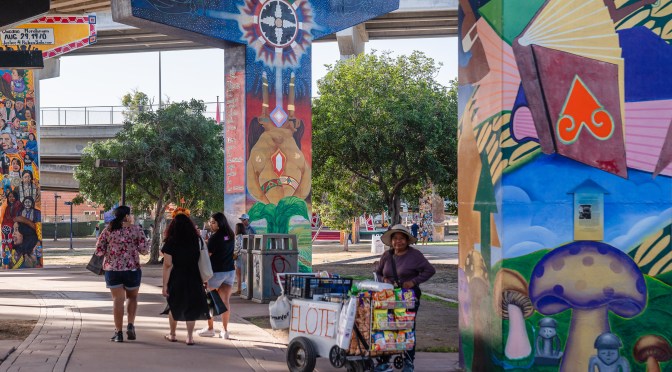
Historically, transportation projects have had a disproportionately negative effect on BIPOC (Black, Indigenous and people of color) and low-income communities. Today, state departments of transportation (DOTs) may be able to mitigate these negative effects by reaching out to these communities and incorporating their ideas and feedback into transportation planning. Local artists and culture bearers could serve as ambassadors for these communities by participating in the transportation planning process based on their creative placemaking ideas and connection to the community.




 Crossroads