This article was originally published in Catalyst, February 2022.
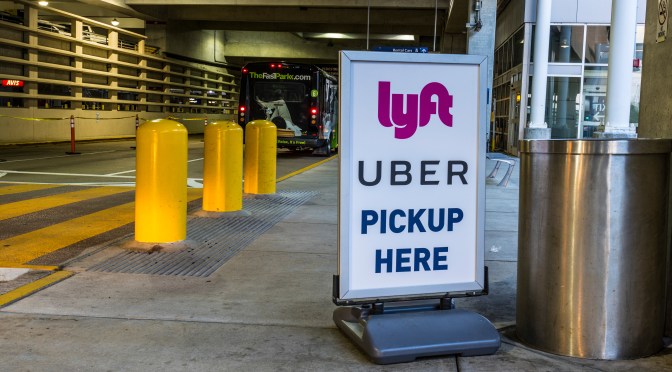
In recent work, researchers in the U’s Department of Industrial and Systems Engineering (ISyE) examined one potentially important application of autonomous vehicle (AV) technology: ride hailing.
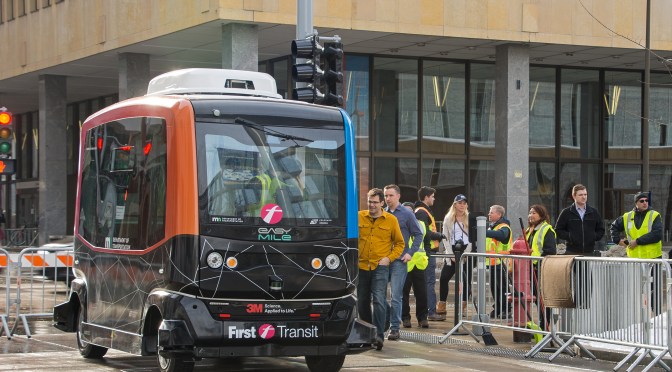
Public transportation provides a safe, convenient, affordable, and eco‐friendly mobility service. However, due to its fixed routes and limited network coverage, it is sometimes difficult or impossible for passengers to walk from a transit stop to their destination. This inaccessibility problem is also known as the “transit last mile connectivity problem”.
This article was originally published in Catalyst, August 2021.
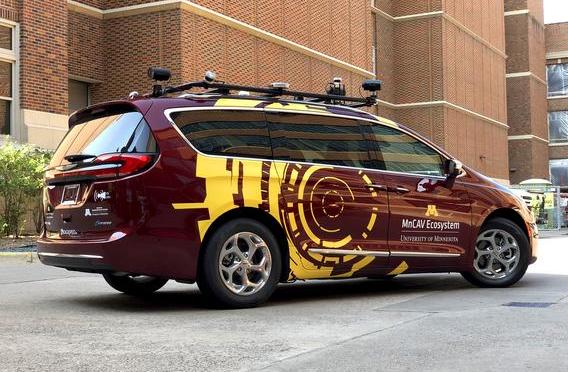
With the arrival of its fully outfitted autonomous vehicle in July, the University’s MnCAV Ecosystem is ready to facilitate research and testing of sensing technologies, vehicle control, platooning, traffic patterns, and other topics related to connected and autonomous vehicles (CAVs).
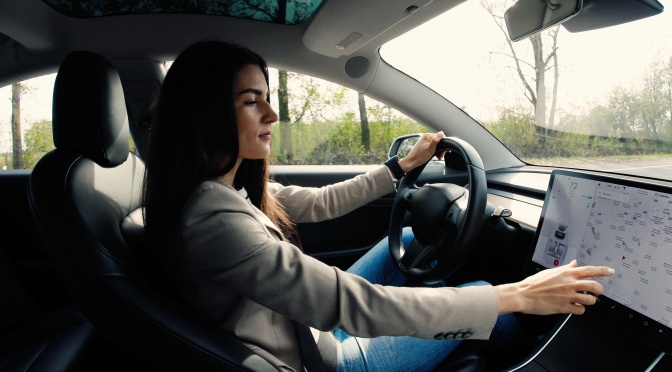
While commercially available self-driving vehicles may still be decades away, an increasing number of vehicles on the market offer advance driver assistance systems (ADAS). For example, ADAS features include adaptive cruise control, steering automation, and hands-free steering.
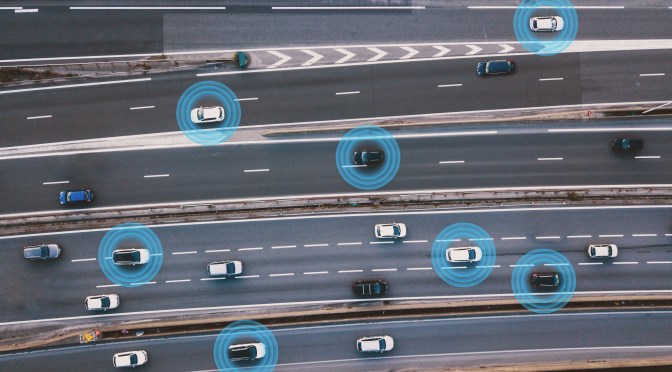
As autonomous vehicles (AVs) become increasingly more numerous on roadways, they have the potential to substantially alter traffic flow. New vehicles today have many driver-assisting (or SAE Level 1) features—such as adaptive cruise control, parking assistance, collision avoidance, emergency braking and lane-keeping assistance—which still require a hands-on driver. However, as technology advances toward eventual SAE Level 4 automation, vehicles will be able to function without drivers, which will likely change the shape of traffic flow.

 Crossroads