
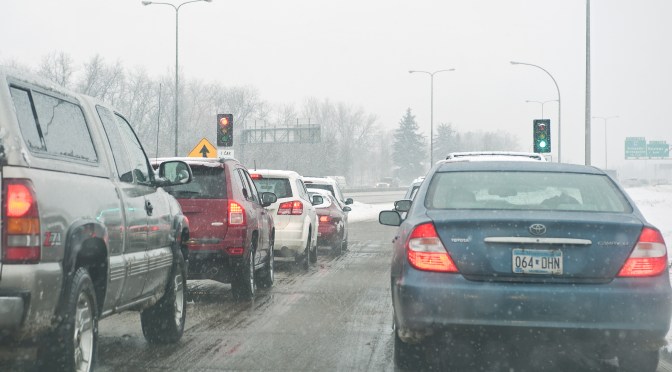
Minnesota is experiencing warmer winters and an increase in freeze-thaw events may negatively impact pavement systems. However, the impacts of these recent climate changes on freeze-thaw cycles have not been well studied.
Continue reading New Project: Have Minnesota’s Warmer Winters Increased the Number of Freeze Thaw Cycles?All posts by Micaela Kranz

New Project: Pedestrian User Experience at Roundabouts
Roundabouts reduce the severity of crashes at intersections, but transportation agencies have received some feedback from pedestrians indicating that roundabouts, especially larger multi-lane roundabouts, can be difficult to navigate.
Continue reading New Project: Pedestrian User Experience at Roundabouts
New Project: Taconite as a Lower Cost Alternative High Friction Surface Treatment for Low-Volume Roads in Minnesota
A northern Minnesota mining byproduct could provide a more affordable option for a highly effective, but expensive pavement safety treatment called High Friction Surface Treatment (HFST), and help expand its usage across the state.
Continue reading New Project: Taconite as a Lower Cost Alternative High Friction Surface Treatment for Low-Volume Roads in Minnesota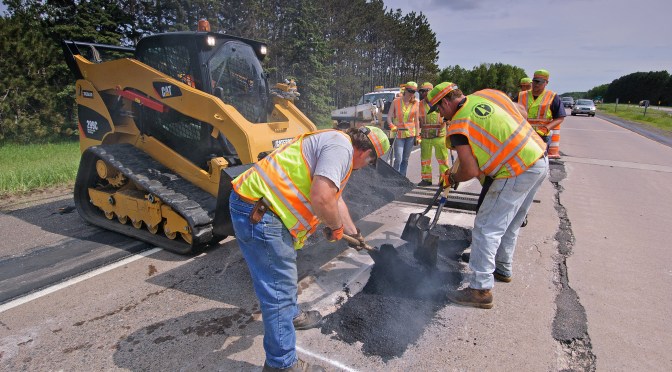
New Project: The Impact of Deferred Maintenance in Minnesota
Expenditures for maintenance are not keeping pace with the needs of the local transportation system. When local governments face fiscal stress, planned maintenance gets postponed to make funding available for other purposes. As deferred maintenance grows, the work and investments needed to bring an asset into a good condition grow too.
Continue reading New Project: The Impact of Deferred Maintenance in Minnesota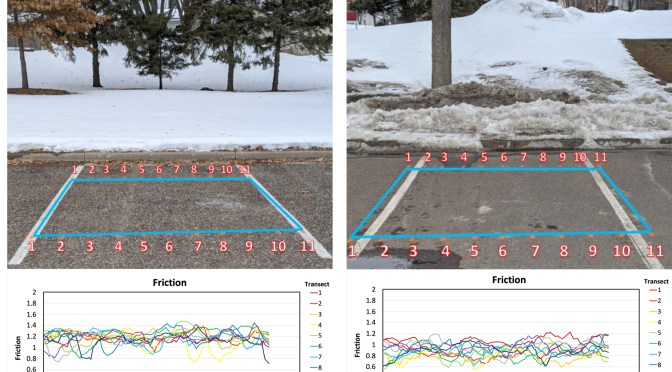
Permeable Pavements Reduce Slippery Conditions During Winter Thaw
Road salt and particularly sodium chloride is used for de-icing roadways during winter months in cold climates but can have a negative impact on the environment. A recently completed research project by the Minnesota Local Road Research Board investigated the use of permeable pavements that are not treated with road salt as an alternative to impermeable pavement surfaces that are treated with road salt.
Continue reading Permeable Pavements Reduce Slippery Conditions During Winter Thaw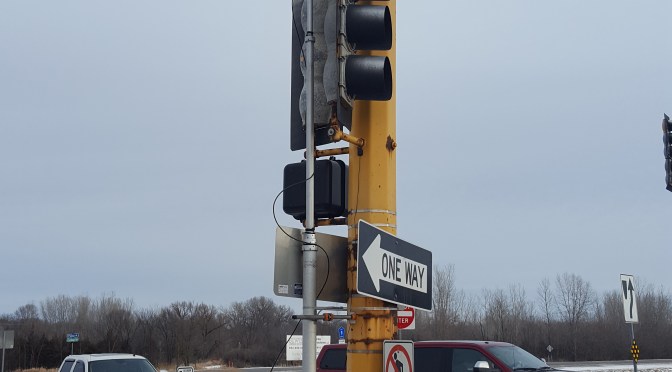
New Project: Refining Inductive Loop Signature Technology for Statewide Vehicle Classification Counts
With increasing traffic volumes and greater restrictions on placing road tubes to perform vehicle classification counts, it is necessary to find innovative ways to collect vehicle class data on roadways.
Continue reading New Project: Refining Inductive Loop Signature Technology for Statewide Vehicle Classification Counts
New Project: Autonomous Vehicles – What Should Local Agencies Expect?
Connected Automated Vehicles (CAV) are part of tomorrow’s transportation future happening today. The evolution of vehicle technology is shifting how drivers interact with the infrastructure around them. Local agencies are beginning to respond and anticipate these changes, while CAV manufacturers request to test their vehicles on local roadways further pushing the urgency on local agencies.
Continue reading New Project: Autonomous Vehicles – What Should Local Agencies Expect?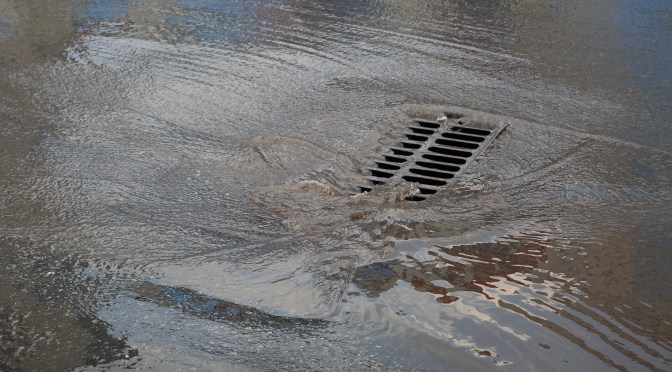
New Project: Climate Change Adaptation of Urban Stormwater Infrastructure
Climate change scenarios have been fairly well-tested and vetted. Moore et al. (2015) found that one of the noteworthy impacts on upper Midwest cities is an increase of storm magnitude of 39% (moderate scenario) to 163% (pessimistic scenario). However, the impact of these scenarios on stormwater infrastructure are not well understood and documented. There are some important financial decisions that need to be made for stormwater infrastructure in the present and near-future, requiring demonstration and discussion of the impacts of climate change on stormwater infrastructure.
Continue reading New Project: Climate Change Adaptation of Urban Stormwater Infrastructure
New Project: Impact of Speed Limit Changes on Urban Streets
Speeding is one of the top 5 factors in crashes in Minnesota. Prioritizing the most effective methods to encourage safe speeds is critical to maximizing effort and funding to reach zero deaths on our roadways.
In 2019, legislation passed to allow Minnesota cities to establish speed limits for city streets under the city’s jurisdiction without conducting an engineering or traffic investigation.
Continue reading New Project: Impact of Speed Limit Changes on Urban Streets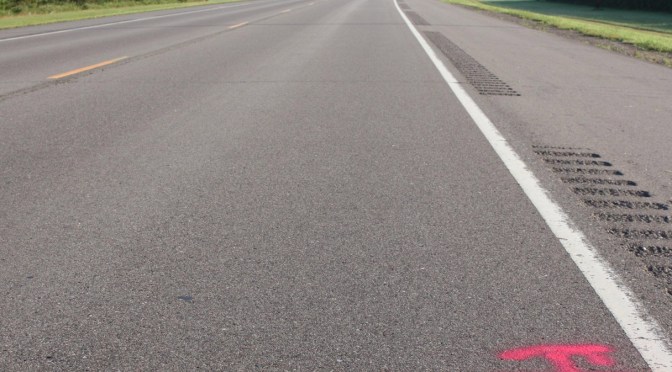
New Project: Benefit/Cost of Applying a Higher Asphalt Film Thickness vs. Doing a Chip Seal at One Year
In Minnesota, reducing the effects of oxidation is a continuous challenge.
In a new study, funded by the Local Road Research Board, researchers will compare the effectiveness of two different methods: applying a surface treatment (typically a fog or chip seal) and increasing the asphalt film thickness during original construction.
Continue reading New Project: Benefit/Cost of Applying a Higher Asphalt Film Thickness vs. Doing a Chip Seal at One Year Crossroads