
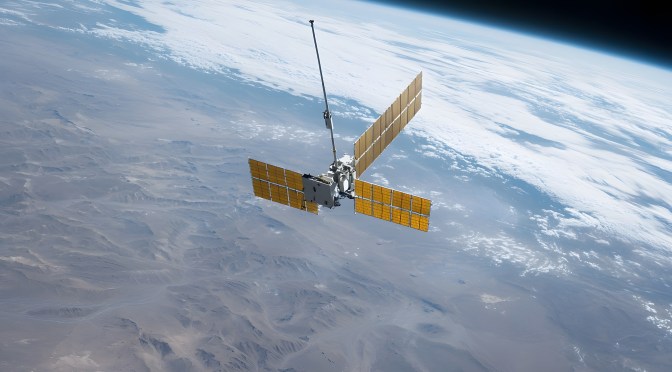
Geohazards generated by ground movements (e.g., landslides, subsidence, sink holes, etc.) cause substantial damage and interruptions to Minnesota’s highway network. Reactive monitoring approaches and borehole-based instrument sensing both have limited spatial coverage and are limited to sites already known to be in distress. This research explores the establishment of continuous satellite-based InSAR monitoring of ground deformations adjacent to roads on a broad geographic scale that would enable detection of pending hazards before they develop into large failures.
This warning system will combine data from high spatial resolution InSAR measurements, optical remote sensing data, and deep learning algorithms to automatically detect and continuously monitor deformations across large spatial regions. The research team will create MnDOT training modules to demonstrate the utility of the deformation data and automated warning system.
InSAR monitoring is expected to improve the safety and reliability of Minnesota’s transportation system and reduce costs and delays associated with emergency repairs. It would also support the state’s geotechnical asset management program by assessing the feasibility of InSAR for tracking performance of geotechnical assets (e.g. retaining walls, slopes, pavement foundations, etc.).
“This research project will help us determine if InSAR technology is ready for prime time for transportation agencies as a remote sensing tool to track performance of assets,“ said Raul Velasquez, geomechanics research & deployment engineer at MnDOT’s Office of Materials and Road Research.
The Objectives:
- Develop an automated warning system that can alert MnDOT staff of areas where abnormal ground deformation (e.g., landslides, subsidence, and sinkholes) is occurring along Minnesota interstate highways, allowing them to proactively intervene.
- Assist MnDOT in continuing to build its geotechnical asset management program by assessing the feasibility of InSAR for tracking performance of geotechnical assets such as retaining walls, slopes, and pavement foundations.
Project Details
- Start Date: 05/16/2025
- Estimated Completion Date: 08/31/2027
- Funding: MnDOT
- Principal Investigator: Ali Khosravi
- Co-Principal Investigators: Anand Puppala, Jack Montgomery
- Technical Liaison: Raul Velasquez
Details of the research study work plan and timeline are subject to change.
To receive email updates about this project, visit MnDOT’s Office of Research & Innovation to subscribe.

