Since October 2022, five self-driving shuttle vans in Grand Rapids, Minnesota—with onboard operators for safety—have offered free, on-demand rides as part of the Minnesota Autonomous Rural Transit Initiative (goMARTI). This pilot project is a collaborative effort between multiple stakeholders and partners to conduct a first-of-its-kind demonstration of self-driving shuttles in a rural setting.
Automated vehicles (AVs) using advanced driver assistance systems depend on pavement markings to accurately track roadway lanes. While MnDOT continues to ensure human drivers easily and effectively detect and interpret various pavement markings, the agency also wanted to understand marking designs and characteristics that support AV functions. Field observations in different locations, during the day and at night, using different data collection methods allowed researchers to evaluate the impact of various pavement marking properties on AV lane-keeping functions. Results support MnDOT in producing pavement marking guidance that is responsive to changing needs.
Agencies selecting a new or replacement storage system for their liquid deicers have a lot to consider, such as safety, environmental impacts, and cost-effectiveness.
To successfully manage the state road network, MnDOT needs a thorough understanding of the number and type of vehicles on the road. To obtain this information, the agency upgraded existing inductive loop infrastructure at select locations to enable these sensors to collect vehicle classification data. This project evaluated the accuracy of the inductive loop upgrade and its life cycle costs to determine its viability for future use on Minnesota roads.
Effective traffic signal control technologies facilitate optimal traffic flow and travel time. Building on previous research, this project made significant progress toward field implementation of a novel adaptive signal control technology. This research phase demonstrated the max-pressure traffic signal algorithm can successfully integrate into Hennepin County traffic signal hardware and respond to changing traffic conditions in real time, providing confidence to move to the next step and test the system in the field.
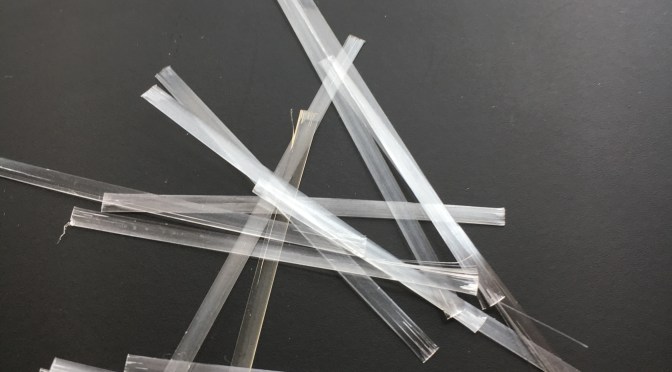
Thin pavements—in which new pavements are constructed over an existing base layer—can be an economical option for low- and moderate-volume roads. However, thinner concrete roads are prone to distress caused by weather and traffic loads. The solution, U of M researchers found, may be to add small synthetic fibers to the concrete.
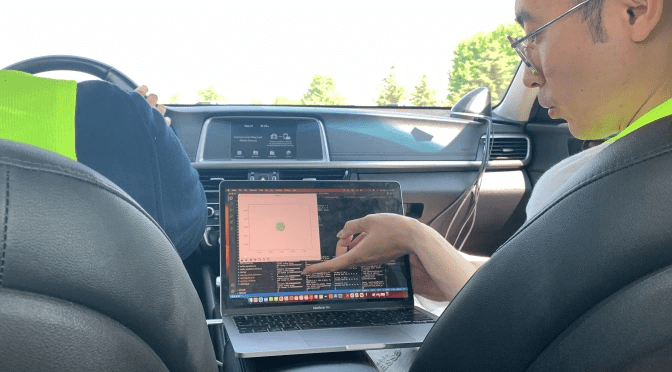
Crashes that result from vehicles driving through red lights are often very serious because they are typically right-angle or side-impact crashes. While newer vehicles have many standard safety features such as lane departure warning and brake assistance systems to support drivers, they do not have technologies to help prevent driving through red lights. This project developed an algorithm that integrated traffic light phasing information with GPS data to warn drivers when they were approaching a red light, providing valuable driver assistance and improving traffic safety and efficiency.
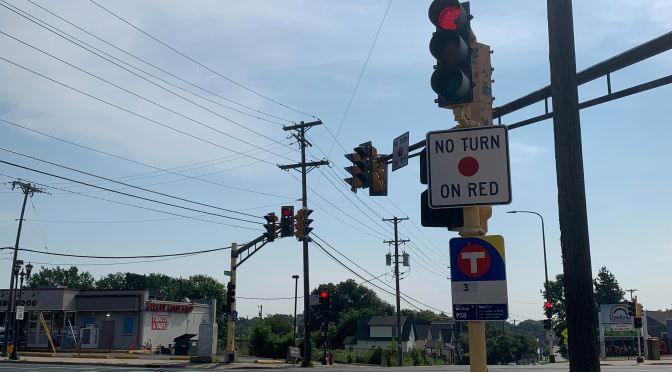
Preventing right turns on red at traffic signals is a generally effective pedestrian safety measure. But when pedestrians are absent, allowing right turns on red can improve traffic flow. Unlike static signs that prohibit right turns on red, dynamic No Right Turn on Red (NRTOR) signs can be activated when pedestrians are present. Comparing driver compliance with dynamic and static signs indicated that each sign type may have its own benefits.
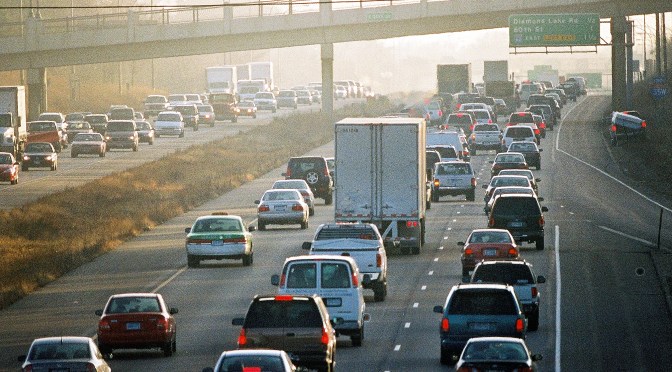
Drivers and businesses benefit from a freeway network that is predictable and able to withstand disturbances such as construction, incidents and poor weather. To provide a high level of service on freeways, traffic managers monitor and assess traffic flows and speeds under various conditions. In this project, investigators analyzed and identified the most vulnerable portions of the Twin Cities freeway network and enhanced an analysis tool to provide better estimates of travel-time reliability and operational resilience.
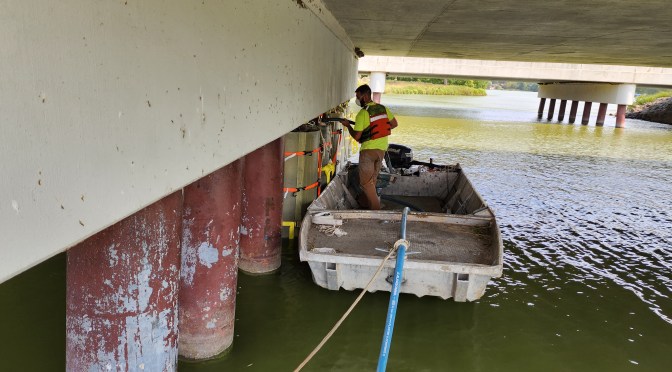
In recent years, advancements in bridge repair techniques and technologies promise to offer more options for strengthening an existing bridge’s in-water piles, eliminating the need to reroute both water and traffic. This project investigated other states’ experiences with several products on the market and provided an opportunity for Minnesota’s engineers to evaluate two vendors’ systems on a bridge in need of restoration.


 Crossroads