
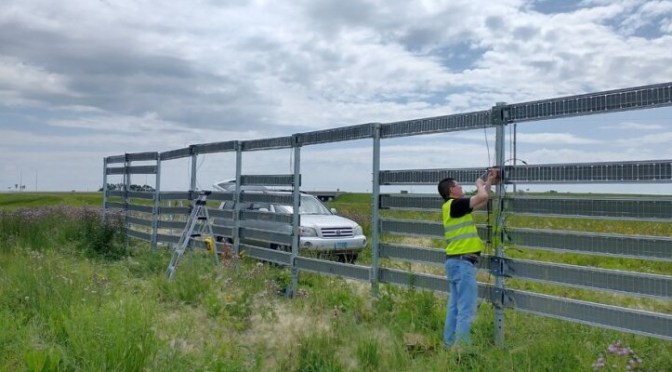
Solar snow fences not only retain the benefits of a traditional snow fence by controlling blowing and drifting snow in winter, they create green energy throughout the year. However, to be effective, the fence must withstand harsh weather elements and produce enough energy to justify the use and cost of solar panels. This project evaluated the installation and performance of a 100-foot solar snow fence for 18 months to determine its functionality and economic feasibility.
Continue reading Solar Snow Fence Controls Drifting Snow While Generating PowerAll posts by Malee Yang

Establishing Post-Construction Roadside Vegetation Growth
Roadside vegetation is essential for managing stormwater and mitigating soil erosion. Using organic and proprietary amendments to improve the topsoil after road construction projects are completed may help reestablish vegetation more quickly and provide better outcomes.
Continue reading Establishing Post-Construction Roadside Vegetation Growth
Impact of Start Time on Students Walking and Biking to School
To increase the number of students who walk or bike to school, policymakers first need to understand the primary factors that prevent students, parents and caregivers from choosing these travel modes. A look at the factors that influence this decision provided information to address barriers to walking and biking for children and families in Minnesota communities.
Continue reading Impact of Start Time on Students Walking and Biking to School
Increasing Service Reliability by Adding a Dedicated Right of Way for Buses
In dense urban areas, public transit is a primary mode of transportation for people to commute to work, complete errands and connect with their community. If transit is not reliable, riders may choose other forms of transportation that could negatively affect riders, transportation agencies and communities. To improve service reliability, MnDOT investigated the use of dedicated rights of way (ROWs) for transit service across route segments within the system.
Continue reading Increasing Service Reliability by Adding a Dedicated Right of Way for Buses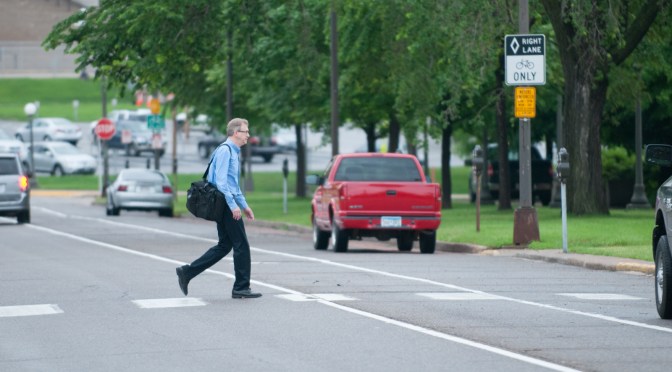
Modeling and Predicting the Deterioration of Pedestrian Assets
Transportation agencies closely monitor and evaluate roads for needed repairs, but pedestrian infrastructure such as sidewalks receive less attention. When left in disrepair, this infrastructure is susceptible to deterioration and can have significant negative impacts on communities. This project collected and integrated pertinent data and developed a model that measured the deterioration of pedestrian assets to predict the effects of aging. With this additional information, agencies can better prioritize areas of need and allocate resources more effectively to maintain and repair pedestrian assets.
Continue reading Modeling and Predicting the Deterioration of Pedestrian Assets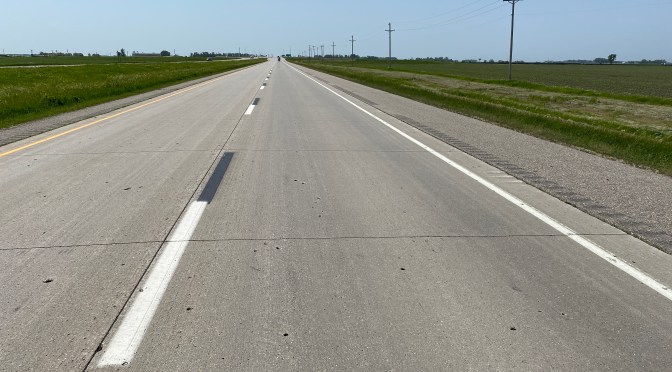
Examining Driver Preferences for Lane Line Patterns and Widths
Pavement markings that clearly delineate lanes are important for reducing crashes and improving the safety of drivers. The configurations of these pavement markings—primarily the width and length of the line and the spacing of broken lines—vary from state to state. This project identified driver preferences for pavement marking patterns and widths, which can increase visibility and improve safety.
Continue reading Examining Driver Preferences for Lane Line Patterns and Widths
New Project: Roundabouts, J-Turns, etc. – Understanding Their Economic Impacts
Roundabouts and J-turns have consistently shown significant improvements in safety and traffic flow in Minnesota and across the U.S. Still, some community residents and businesses oppose replacing traditional intersections with alternative intersections like roundabouts or J-turns.
Continue reading New Project: Roundabouts, J-Turns, etc. – Understanding Their Economic Impacts
New Project: Best Practice for Oversized/Overweight Vehicles
As hauling practices change for waste collection, mining and other industries, local transportation agencies are receiving more permit requests for oversize or overweight trucks. These larger vehicles can have significantly greater impacts on pavements than passenger vehicles.
Continue reading New Project: Best Practice for Oversized/Overweight Vehicles
New Project: Amount of Bituminous Surface Lost Each Year
Approximately 62,000 miles of Minnesota’s roads are bituminous, or asphalt, surfaces. Bituminous roads are cost-effective and offer improved ride quality and safety.
Continue reading New Project: Amount of Bituminous Surface Lost Each Year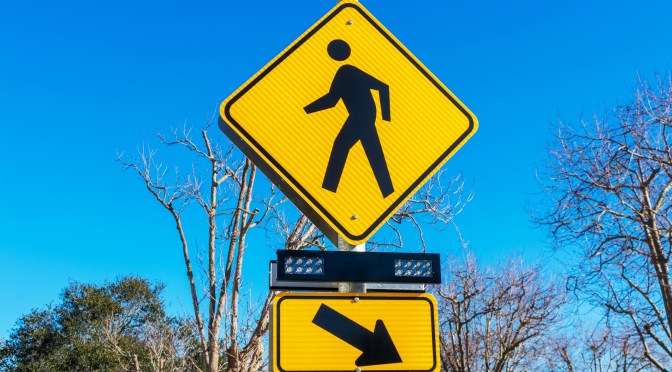
New Project: User Understanding of Pedestrian Hybrid Beacon Operation
Pedestrian hybrid beacons (PHBs) are one tool to help pedestrians safely cross roads. PHBs provide red-signal control for vehicular traffic when needed at lower installation costs and reduced traffic delays than full traffic signals.
Continue reading New Project: User Understanding of Pedestrian Hybrid Beacon Operation Crossroads