

Soaring construction costs and a rapidly aging infrastructure will require states to revolutionize how they maintain their roadways — but without each other’s help, they won’t be successful.
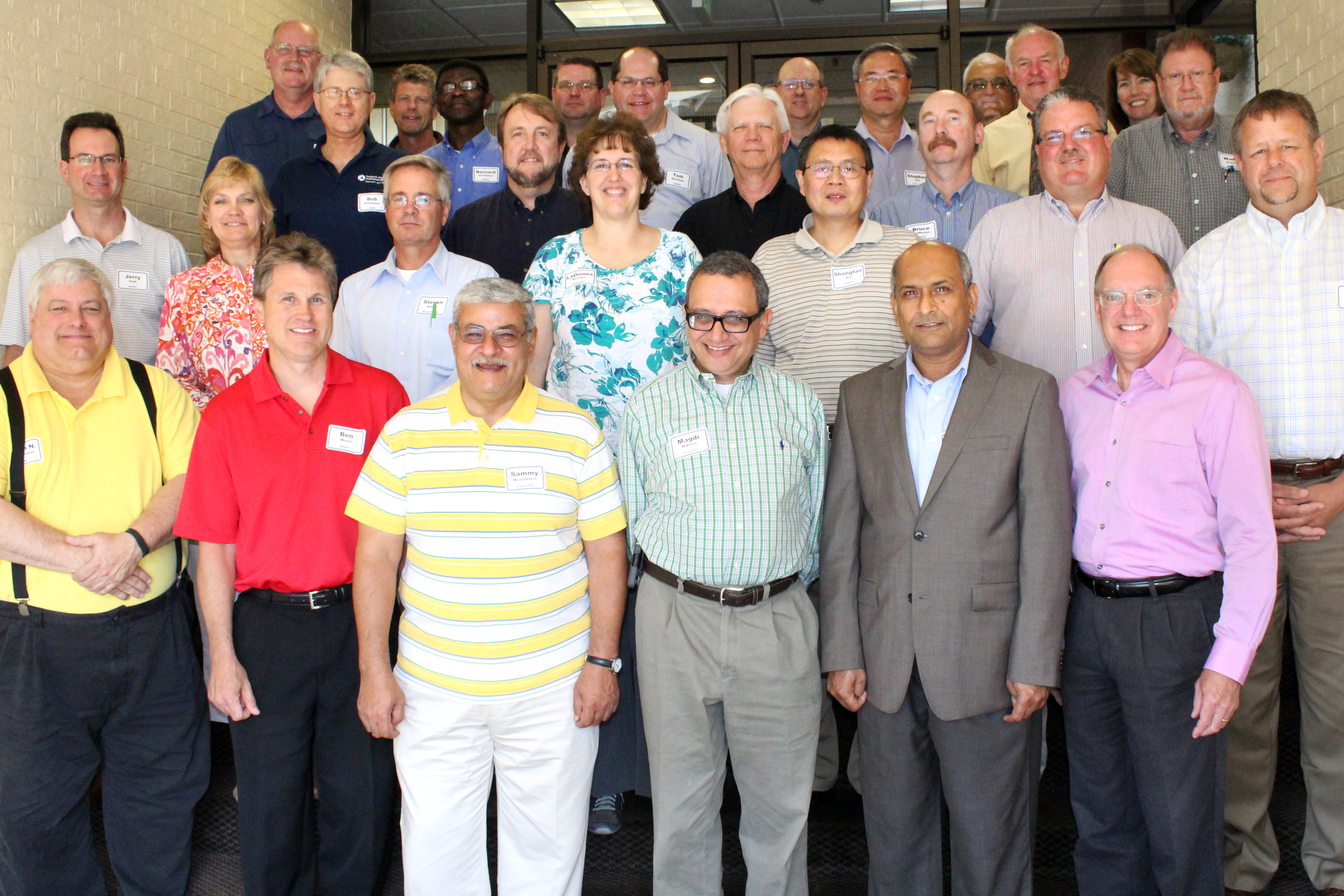
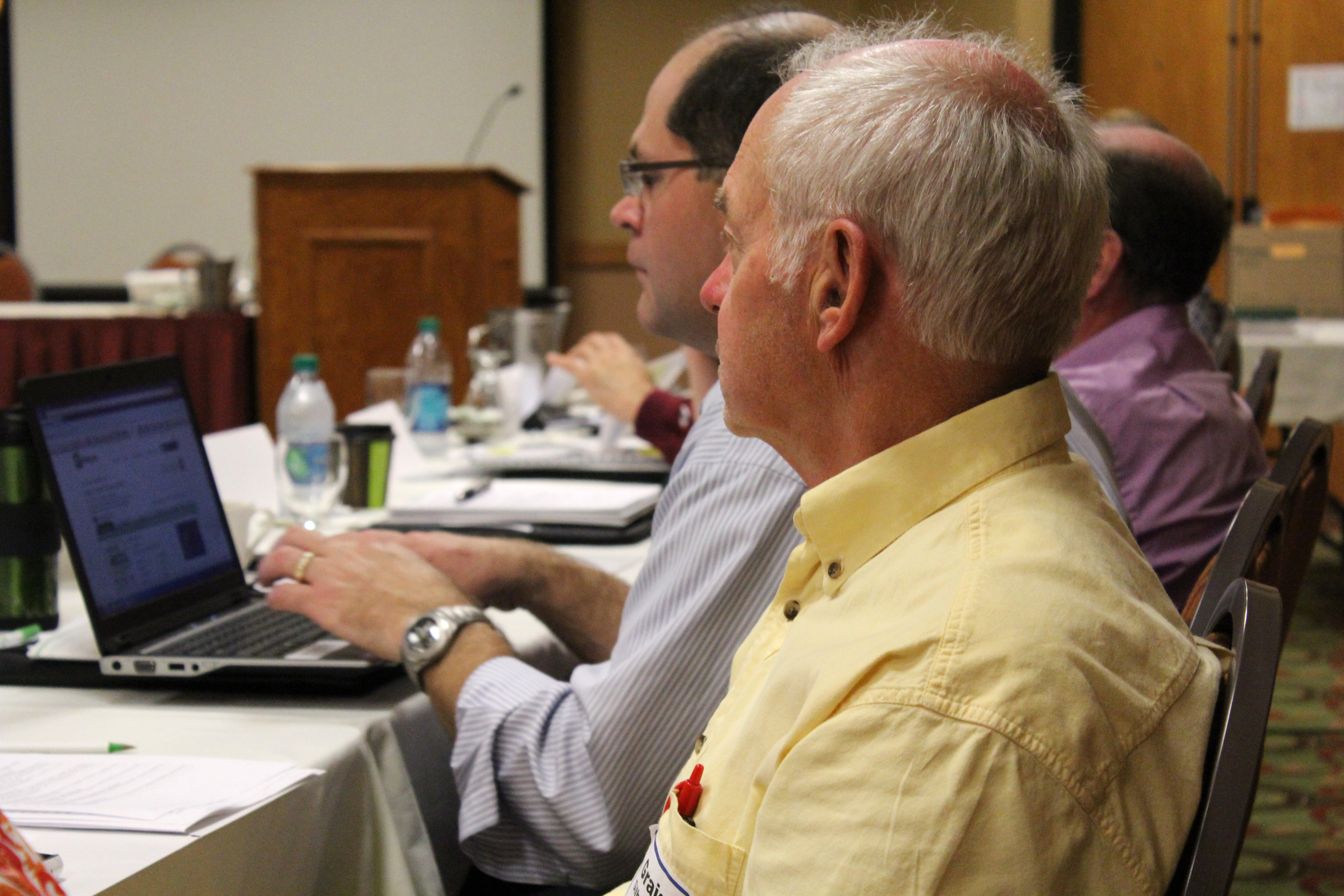
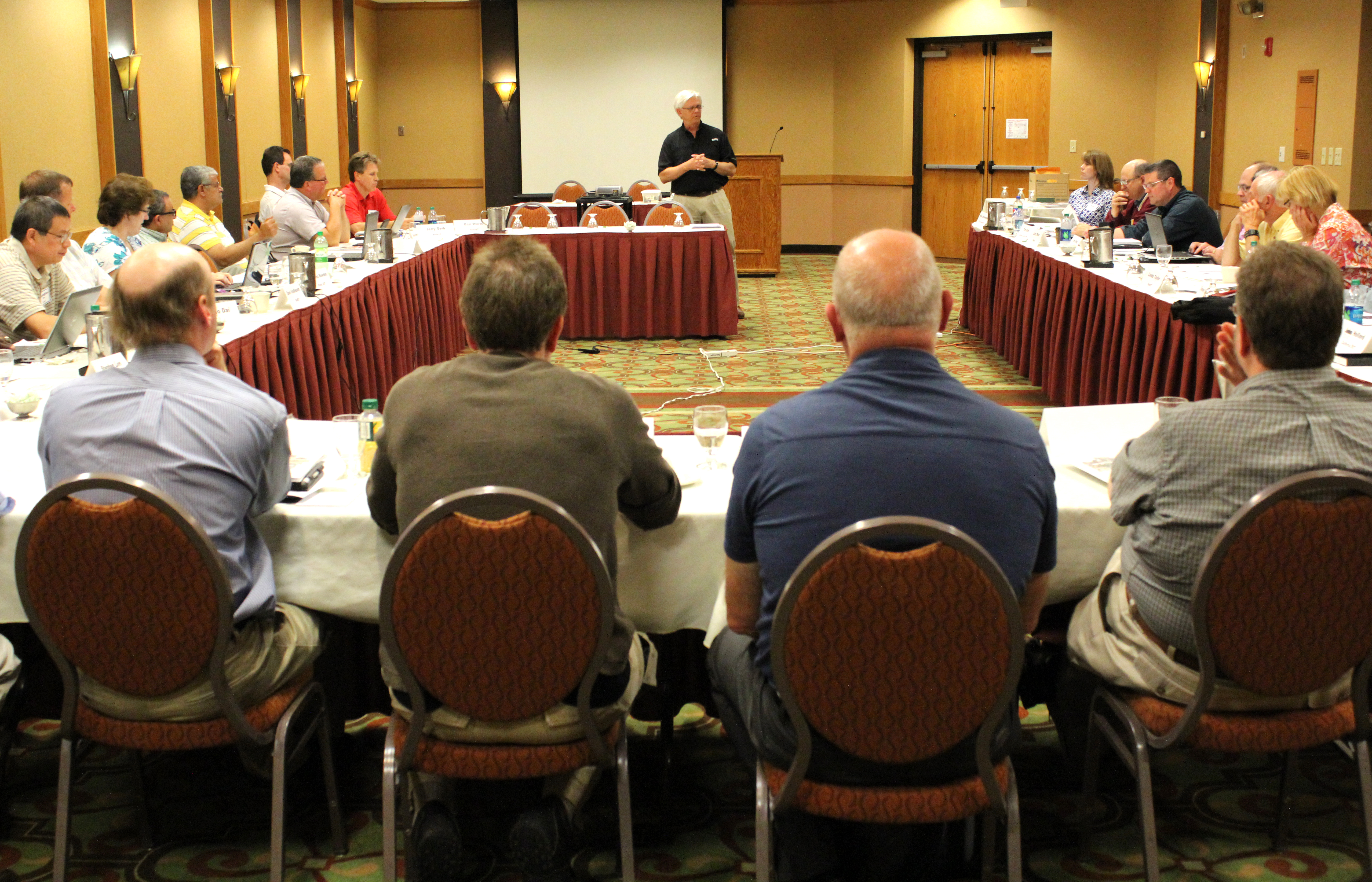
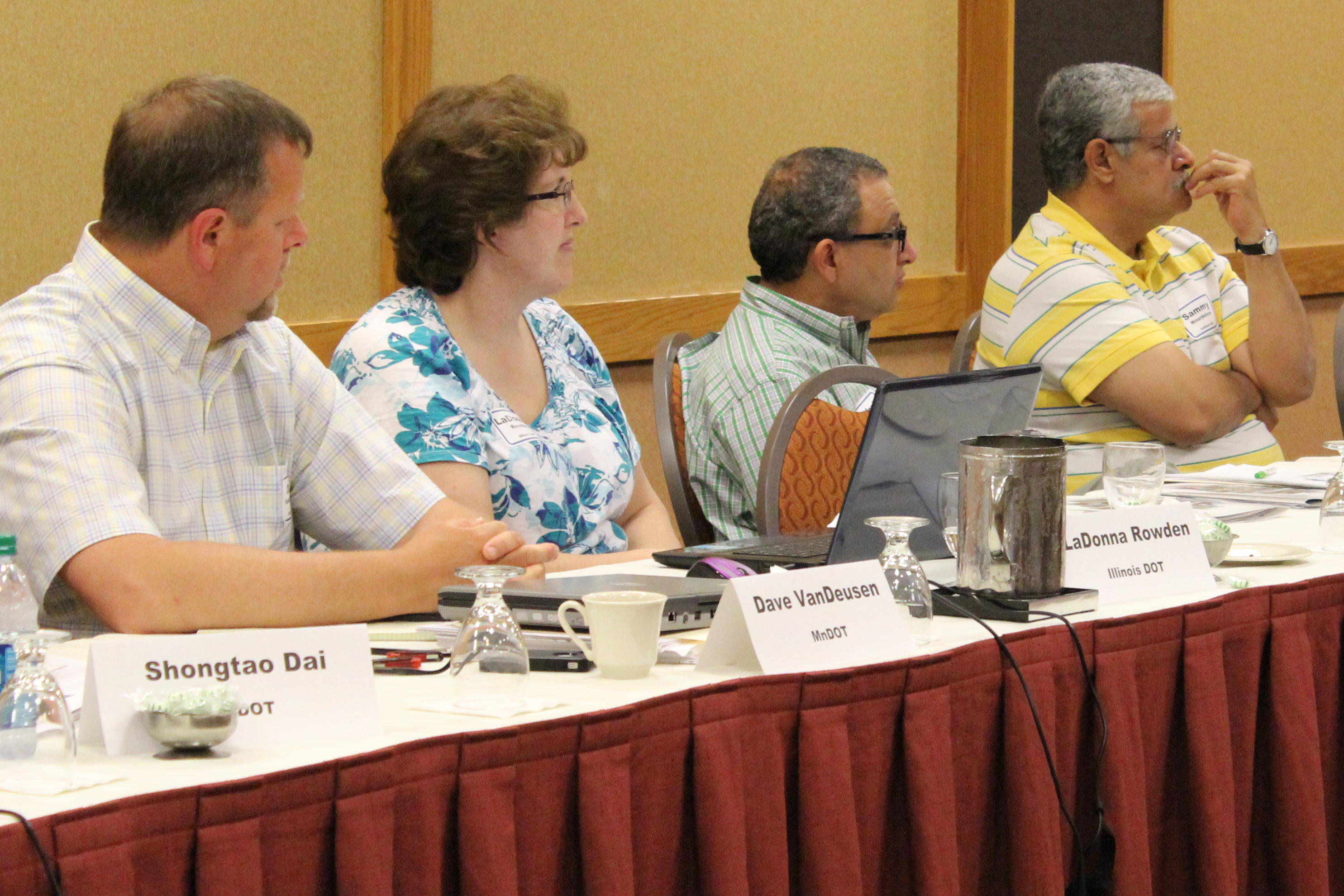
That was a key message from pavement researchers last week at a MnDOT-hosted peer exchange event, where pavement experts from around North America shared their ideas and research experiences.
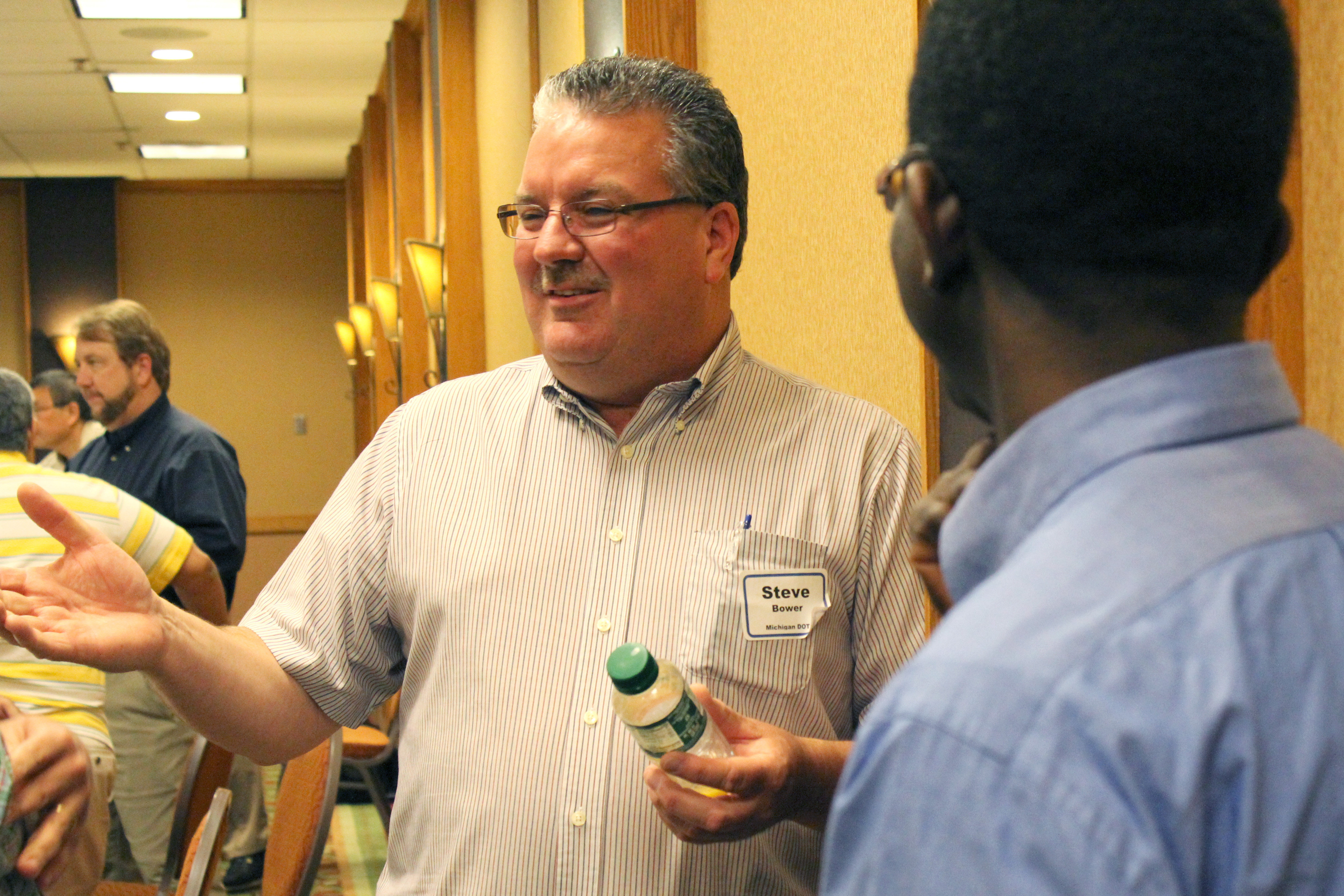
“You’ve got to partner with other states, the FHWA and industry,” said Research Engineer Steve Bower of the Michigan Department of Transportation. “We can’t go it alone anymore.”
Researchers at the event reviewed recent pooled-fund studies conducted at MnROAD, MnDOT’s innovative pavement testing center, to review successful implementation strategies, develop common practices to calculate benefits and help prioritize research topics for MnROAD’s core 2016 research and reconstruction.
The pavement engineers gathered for the event face similar problems in their home states, as demonstrated by the seven pooled fund projects that were discussed. These included developing a better understanding of pavement damage caused by oversized farm equipment, knowing when to chip seal a roadway, developing a test to predict asphalt cracking , creating a national design method for concrete overlays of asphalt roadways and improvements in diamond grinding of concrete pavements.
MnROAD leading the way
State research departments often lack the time or resources to focus on innovations that could reduce future maintenance costs. If not for Minnesota leading the effort on many of these topics and providing a top-notch research facility, the peer exchange attendees said much of this research just wouldn’t happen.
“We don’t have a closed-loop facility with all these different test sections that MnROAD has; no one does,” said Larry Wiser of the Federal Highway Administration’s Turner-Fairbank Highway Research Center.
WisDOT Chief Materials Management Engineer Steven Krebs said the research done at MNROAD on the impact of modern farm implements on pavement was invaluable in drafting new state legislation. WisDOT was able to quantify the amount of damage done to the pavement and use the data to dispute mistruths and misinformation. The state is now working with counties on possible remedies and weight-limit enforcement techniques.
Whereas Minnesota has taken the lead on studying such issues, it is now asking fellow states to not only participate in future such studies, but to also partner in the operations at MnROAD. At the peer exchange, the response to this idea — especially from states closest to Minnesota — was positive, despite everyone’s lean budgets.
Peer exchange participants said more effort and funding is needed to implement research findings, which FHWA officials said costs significantly more than the research itself.
Past research also needs to be more accessible and there should be better sharing of information, particularly online, they said.
“This (peer exchange) gave us ideas to take back. Our research budget is getting tighter. It’s nice to be able to say, ‘You do a part of it and we’ll do a part of it,’ ” said California transportation researcher Joe Holland.
Further Resources
2014 Peer Exchange – Presentations




 Crossroads