
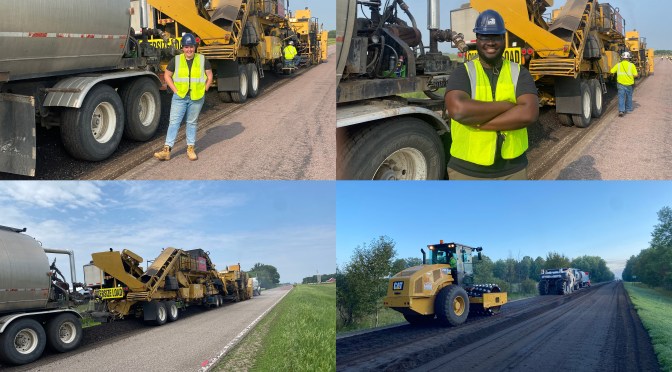
Cold recycling road pavement materials into new road construction is a cost-effective and sustainable practice. However, the properties of these materials must be characterized to adequately design pavement structures. This project developed a framework and tool for transportation agencies to estimate the key material properties of cold recycled materials incorporated into road designs.
Continue reading Assessing Recycled Pavement for Use in Road DesignTag Archives: LRRB
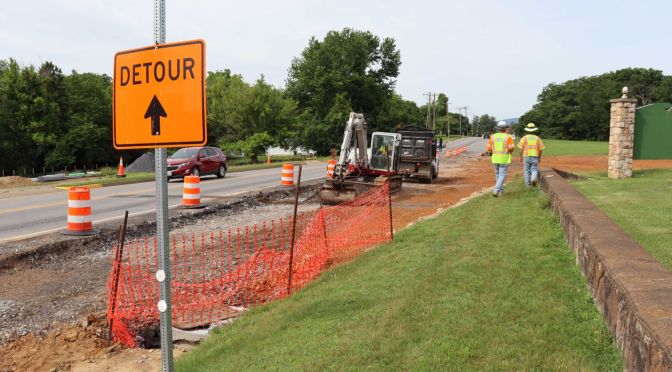
Limiting Pavement Damage from Detours
Detours for highway construction projects direct heavy freight vehicles onto local roads that were not designed to accommodate the frequency of heavy loads. Detours to these local roads often accelerate pavement deterioration that shortens their service life and requires additional repair. This project examined the structural and economic impacts of detours on local roads to develop a framework for optimizing detour routes that limit pavement damage while maintaining traffic mobility.
Continue reading Limiting Pavement Damage from Detours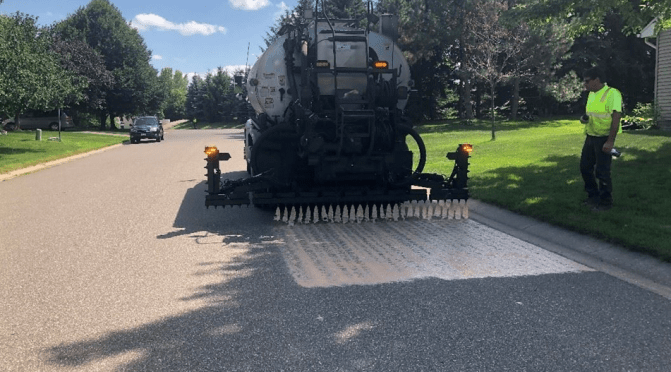
Assessing Rejuvenators That Extend Pavement Service Life
Over time, asphalt pavement becomes stiff and brittle due to oxidation, often leading to surface cracking and distress. To mitigate these damages and extend the service lives of roads, transportation agencies may apply a spray-on rejuvenator (SOR) to restore essential components of the asphalt. This project investigated the short- and long-term effectiveness of 12 SORs that state and local transportation agencies may consider for future use.
Continue reading Assessing Rejuvenators That Extend Pavement Service Life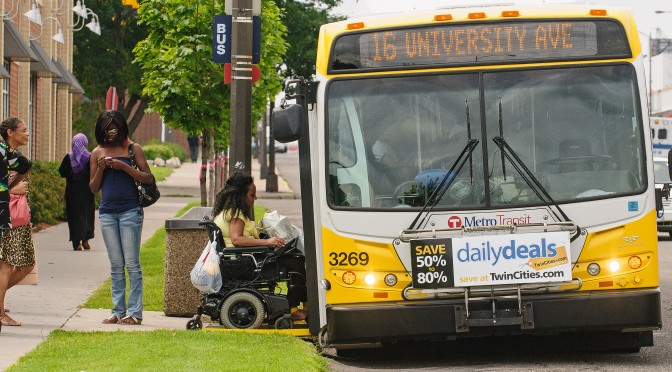
Increasing Equity in Transportation Investments
Historically, equity has not been a primary objective in the transportation infrastructure investment planning process. By effectively incorporating equity into the process, underserved communities and Native nations can realize increased benefits from transportation improvements. This research explored effective strategies for incorporating equity in transportation capital investment planning and provides guidance to transportation agencies, planning organizations and Native nations.
Continue reading Increasing Equity in Transportation Investments
Evaluating Taconite as a Lower Cost Friction Treatment
High friction surface treatments (HFSTs) on Minnesota roads are composed of imported, industry standard calcined bauxite aggregate. This material is expensive, and producing it is energy-intensive. Taconite aggregate, a by-product of the Minnesota mining industry, is a potential alternative to calcined bauxite that is less expensive. This research compared taconite and calcined bauxite in field skid resistance performance testing to determine the feasibility of using taconite in place of calcined bauxite in HFST applications.
Continue reading Evaluating Taconite as a Lower Cost Friction Treatment
Evaluating Road Designs That Use Lower Quality Aggregate
Aggregate materials used in the base and subbase layers of pavements provide structural support and drainability to Minnesota roads. But the supply of locally available high-quality aggregate material is becoming increasingly scarce. This project explored sustainable and cost-effective solutions for constructing durable flexible pavement roads with lower quality aggregate material.
Continue reading Evaluating Road Designs That Use Lower Quality Aggregate
Developing Biochar Specifications for Stormwater Management
Effective stormwater management helps keep roadway contaminants from entering Minnesota’s lakes and streams. Management practices include soil and vegetation in roadside bioretention systems that filter heavy metals and hydrocarbons created by vehicles. Based on other studies, retention and transformation of roadside pollutants should be improved by biochar application to existing or engineered soils. Abundant sources of biomass can be used to produce biochar, a soil amendment with numerous benefits. MnDOT and local agencies identified biochar specifications for effective use in stormwater treatment to support the next phase of testing and development of biochar design guidance.
Continue reading Developing Biochar Specifications for Stormwater Management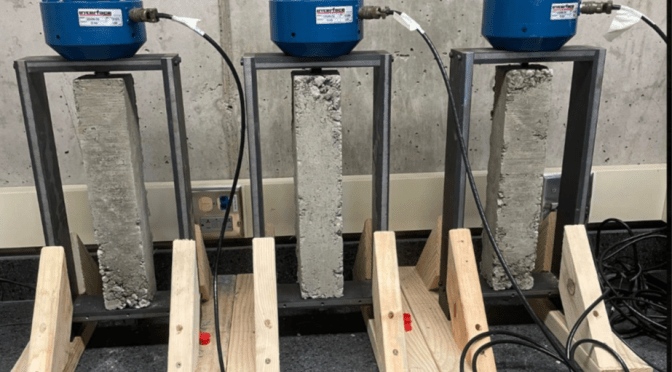
Evaluating Strategies to Prevent Early-Age Bridge Deck Cracking
Premature cracking in reinforced concrete bridge decks is expensive to repair and may lead to rapid bridge deterioration. Despite changes to mix designs, transverse cracking after casting continues to be a problem in Minnesota. This project evaluated alternative concrete mix designs and reinforcement strategies to mitigate early-age bridge deck cracking, reduce maintenance costs and extend bridge deck service lives.
Continue reading Evaluating Strategies to Prevent Early-Age Bridge Deck Cracking
Increasing School Bus Stop-Arm Compliance
A significant number of school bus stop-arm violations occur every day throughout the country. In Minnesota, violation and citation data suggests these incidents are grossly underreported and underenforced due to a time-consuming reporting and enforcement process. This project examined current processes and recommended improvements to encourage higher rates of reporting and enforcement.
Continue reading Increasing School Bus Stop-Arm Compliance
Testing Recycled Plastics in Asphalt and Concrete Pavement Mixes
Addressing the increasing need for pavement materials coincides with an increasing supply of plastic waste. Incorporating recycled plastic into aggregate for transportation infrastructure is of growing interest. Testing plastic waste material in both asphalt and concrete pavement mixtures revealed promising results and the need to explore long-term performance and durability.
Continue reading Testing Recycled Plastics in Asphalt and Concrete Pavement Mixes Crossroads