This article was originally published in Catalyst, May 2022.
Transportation is a crucial contributor to health: It directly shapes the social and physical environments in myriad ways and determines the types of places where people can live, learn, work, and play in their everyday lives.
This article was originally published in Catalyst, May 2022.
In Minnesota, trucking produces about 13 percent of the total pollutants in the state. Moreover, a 2019 EPA report identified the transportation sector as the source of the highest share of greenhouse gas emissions in the United States, a problem compounded by the fact that this pollution is more concentrated in urban areas.
This article was originally published in Catalyst, May 2022.
Photos and stories about people biking and walking on packed trails were common during the early stages of the COVID-19 pandemic. Transportation researchers also reported surges in bicycling and walking during this time of social restrictions and widespread closures, but little was known about how those surges related to longer-term trends.
This article was originally published in Catalyst, May 2022.
Displaying the highway death toll on message boards is a common awareness campaign, but new research from the University of Toronto and University of Minnesota indicates this tactic may actually lead to more crashes.
Diversity, equity, and inclusion (DEI) are becoming increasingly important factors in the modern workforce. Integrating DEI is not only a strong moral move that can set an organization apart from its peers but also a way to promote innovation, attract talent, and retain valuable employees in a tight labor market.
This article was originally published in Catalyst, February 2022.
Many Minnesotans have driven on I-35W through Minneapolis without giving any thought to how the freeway was built—or the impact it’s had on the community. Thanks to the work of several U of M researchers and Twin Cities residents, we now have the opportunity to learn just that.
This article was originally published in Catalyst, February 2022.
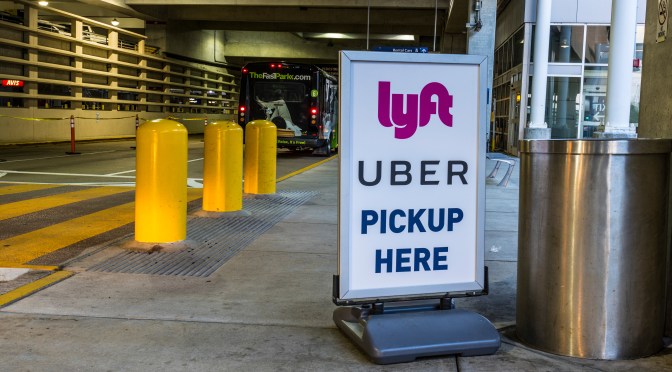
In recent work, researchers in the U’s Department of Industrial and Systems Engineering (ISyE) examined one potentially important application of autonomous vehicle (AV) technology: ride hailing.
This article was originally published in Catalyst, January 2022.
University researchers are investigating ways to extend the life of asphalt pavements and generate cost savings by adding innovative materials to asphalt mixes. In a recent study, they found that improving asphalt mixes with graphite nanoplatelets and taconite concentrates offers new possibilities for enhancing damage-detection techniques and restoring subsurface cracking using microwave energy.
This article was originally published in Catalyst, January 2022.
A U of M study of farm vehicle safety on rural roads identified factors—such as crop type and number of vehicles operated—that can help predict the likelihood of a farm’s vehicles being involved in a crash on a public road.
This article was originally published in Catalyst, January 2022.
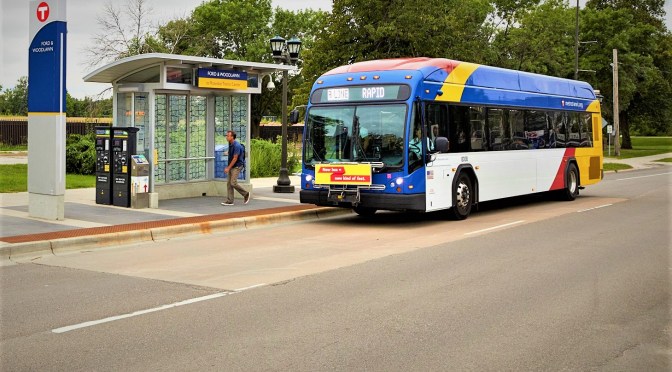
Arterial bus rapid transit (BRT) has gained momentum in the Twin Cities as a less-expensive alternative to light-rail transit. However, this expansion of BRT has also raised concerns that the new lines will spur an increase in housing values and neighborhood gentrification, potentially displacing low-income residents. A new study eases these concerns: It found that the A Line BRT route encouraged ridership but had no effect on housing values.




 Crossroads