
Wednesday, April 22, 2026, 12:00–1:30 pm, Virtual
About the Webinar
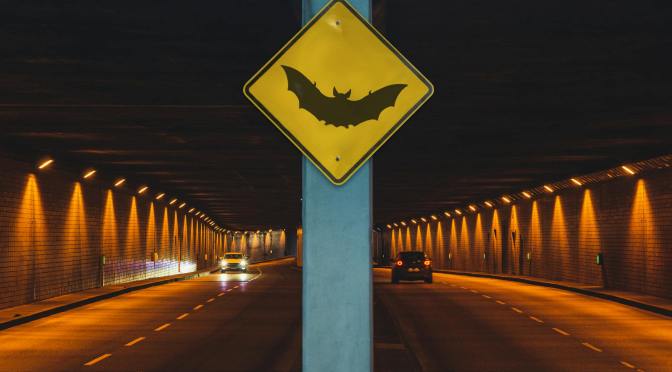
Bats frequently use bridges and culverts as roosting habitat, creating challenges for transportation agencies working to balance infrastructure needs with environmental compliance. Traditional visual surveys can be limited, especially when bats are hidden within structures or present only intermittently.
This webinar will highlight ongoing research exploring the use of DNA analysis from bat feces (guano) as a noninvasive method to identify bat species occupying culverts and bridges. Speaker Ron Moen will discuss how this approach works, share early findings from field applications, and explore how the results could support more efficient environmental review, project planning, and species protection efforts for transportation agencies.
It is being held in conjunction with a CTS Environment and Energy in Transportation Council meeting.
Speaker
Ron Moen is an associate professor in the Department of Biology at the University of Minnesota Duluth and a senior research associate with the Natural Resources Research Institute’s Center for Water and the Environment. His research focuses on mammalian ecology, including habitat use, movement patterns, and predator–prey interactions, often using GPS radiotelemetry. His current work includes studies on moose, Canada lynx, American marten, wood turtles, bats, and other wildlife, as well as projects related to climate change impacts and carnivore monitoring in the Upper Midwest.
Registration
This webinar is free, but registration is required. Once you have registered, you will receive an email confirmation with a Zoom link. The link should not be shared with others; it is unique to you.
Follow the Research
Species From Feces: A New Tool to Identify Bats in Culverts and on Bridges
 Crossroads