
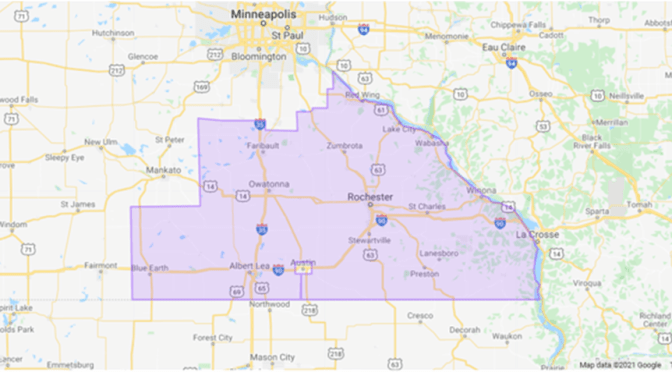
Meeting transit needs in rural communities can be challenging. A new pilot study demonstrated the benefits of using mobile technologies and existing assets to enhance transit services and improve local economies.
Transit needs in rural Minnesota often remain unmet as urban-based transit models don’t apply to dispersed populations and destinations. Public transportation providers sometimes struggle to cover large geographic areas. Private transportation services may be limited due to lower demand and can be cost-prohibitive for residents. While some services exist for special populations such as the elderly or disabled, the general population in these areas must own vehicles to avoid having limited mobility, even if they only make occasional trips.
“This research illustrates the need for a mindset shift from simply providing transit for people to building social networks to facilitate utilizing vehicle and driver assets that communities already have,” said Thomas Fisher, director, Minnesota Design Center, University of Minnesota College of Design.
Innovative or nontraditional transportation programs and platforms have emerged for rural communities, largely fueled by digital technology. Public-private partnerships, car- or bike-sharing, and other local networks offer promising solutions to meet rural transit needs more equitably and efficiently. In addition to benefiting underserved populations, these alternative approaches could positively impact local economies.
Private automobiles and public vehicles such as school buses sit idle for much of the day. Recognizing the potential to leverage existing community resources and increasingly sophisticated mobile technologies, the Local Road Research Board and MnDOT explored new options to meet the transportation needs of rural communities.
What Was Our Goal?
The goal of this project was to determine if a shared mobility services approach to rural community transit can serve rural areas better than current transit practices and services.
What Did We Do?
To address transit challenges in Greater Minnesota, a pilot study of innovative mobility strategies was conducted in Wabasha, a rural community in southeast Minnesota with a population under 10,000. An advisory group of community, public and private transit and nonprofit leaders; local residents; major employers; and MnDOT and local agency staff identified community transit needs and provided feedback throughout the project. Also providing input was a broader, diverse group of stakeholders, including community members, county social services staff, local volunteer driver program coordinators and representatives from several nonprofit groups.
Transportation needs in small rural communities are typically associated with access to education, human services and employment. A thorough review of the literature increased understanding of underlying issues, including transit demand in rural areas, cost barriers for residents, and the opportunities and challenges associated with dial-a-ride services and car-sharing hubs. Researchers also examined existing rural transit software, platforms and services used around the country, noting their benefits and limitations.
Then information was gathered about the existing transit provider network in Wabasha and southeast Minnesota. This network included multicounty public transit and volunteer driver programs, private transit providers and ride-share systems. Demand histories, service areas and routes, schedules and operating budgets of the local providers were documented. With this information, researchers could identify the strengths and weaknesses of the existing network and the transit improvements that could benefit the Wabasha community.
Ride-, car- and bike-sharing platforms and applications illustrated the possibilities of leveraging existing vehicles and available drivers. An exploration of potential partnerships between rural communities, Wabasha leaders and transit providers identified barriers and opportunities.
What Did We Learn?
Two significant opportunities emerged to improve rural transit statewide: the growing use of technology, including smartphones, and the abundance of underused private vehicles and school buses. Other opportunities specific to Wabasha included existing volunteer and on-demand transit resources, support from civic leaders and strong interest in multimodal mobility.
“This work created a toolbox of transit options for Wabasha and other rural communities in Minnesota to explore how to meet their communities’ unique needs for transportation,” said Matti Gurney, implementation unit supervisor, MnDOT Office of Transit and Active Transportation.
The lack of municipal capacity to pursue and manage funding and programs presents a challenge. Land use decisions, a lack of strong zoning and insufficient sidewalks and bicycle trails may hinder some transit initiatives. Public policies and personal attitudes about vehicle ownership and use may not be conducive to alternative transit strategies.
Primary strategies for rural transit service in Wabasha, many of which are applicable to other rural communities, offer options to meet the varied needs of all community members:
- Improve community walkability.
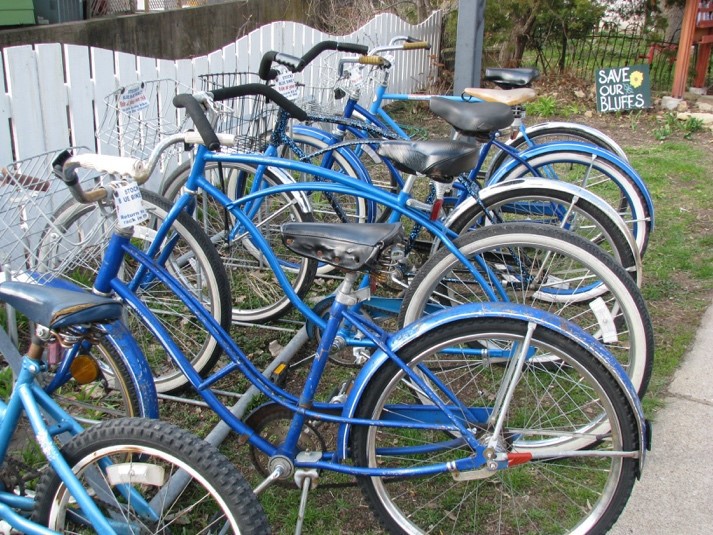
- Increase bicycle use and accessibility.
- Transform the volunteer driver program.
- Utilize underused cars.
- Create a community bus service with existing assets such as school buses.
Feedback from the advisory committee and other community members regarding barriers and needed resources informed implementation of the recommended strategies and identified potential external funding sources.
Finally, a recommendation to brand rural community transit—Greater Minnesota Moves, for example—was based on the need to distinguish efforts from urban and suburban transit programs and communicate new, innovative strategies.
What’s Next?
Local transportation agencies can use the rural transit menu of options and implementation considerations to determine which strategies are most applicable to their community needs. MnDOT should consider the extent to which it can facilitate implementation of the recommendations in rural communities.
 Crossroads