
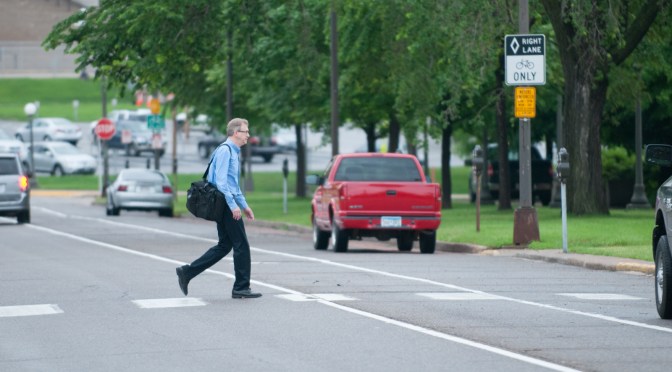
Transportation agencies closely monitor and evaluate roads for needed repairs, but pedestrian infrastructure such as sidewalks receive less attention. When left in disrepair, this infrastructure is susceptible to deterioration and can have significant negative impacts on communities. This project collected and integrated pertinent data and developed a model that measured the deterioration of pedestrian assets to predict the effects of aging. With this additional information, agencies can better prioritize areas of need and allocate resources more effectively to maintain and repair pedestrian assets.
Continue reading Modeling and Predicting the Deterioration of Pedestrian AssetsTag Archives: bicyclist
New Project: Mobile-Device Data, Non-Motorized Traffic Monitoring, and Estimation of Annual Average Daily Bicyclist and Pedestrian Flows
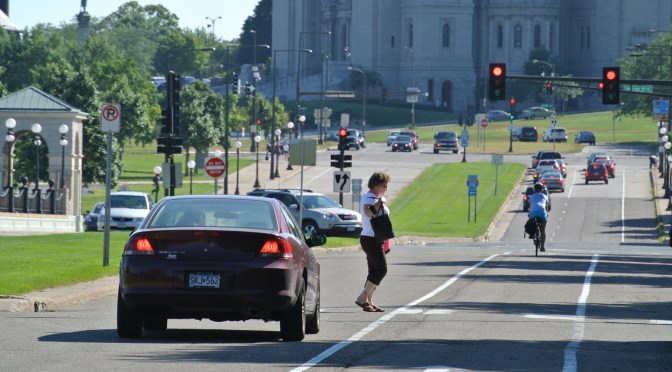
Understanding pedestrian and bicyclist flows is vital to distributing a limited construction budget to new infrastructure for improved safety on specific roads. Unfortunately, statewide data collection for active transportation flows is challenging.
MnDOT and local agencies historically have lacked estimates of bicycle and pedestrian traffic on Trunk Highways and County State Aid Highways.
Since about 2016, MnDOT has begun monitoring bicycle and pedestrian flow at more than 25 locations across the state, but, given the small number of counters and the variability of flows in response to variations in weather across Minnesota, these monitoring data are insufficient for estimation of Annual Average Daily Bicyclists and Annual Average Daily Pedestrians.
One option for obtaining travel data without expensive infrastructure is relying on mobile data collection.
Continue reading New Project: Mobile-Device Data, Non-Motorized Traffic Monitoring, and Estimation of Annual Average Daily Bicyclist and Pedestrian Flows Crossroads