
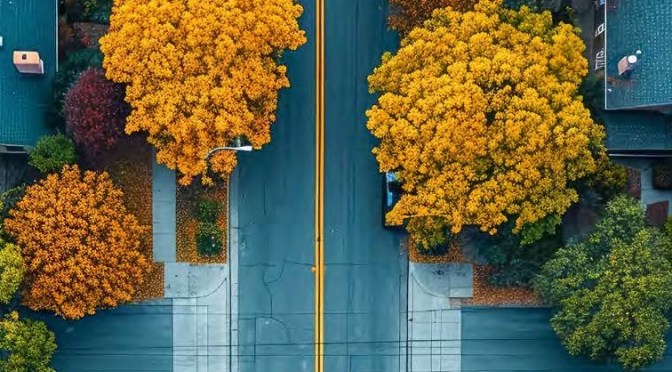
Boulevards play an important role along a roadway. This open space located just behind the curb provides snow storage for roads and sidewalks, a place for rain and runoff to soak into the ground, and attractive green space in our city neighborhoods. In addition to their aesthetic appeal, trees planted in the boulevard along a roadway offer valuable environmental benefits. They save energy and lower temperatures, reduce greenhouse gases, and reduce stormwater runoff.
However, local officials can face challenges creating leafy boulevards. These locations are often difficult to plant trees because of limited space, utility conflicts, and salt residue from winter maintenance, among other factors. Additionally, residents and business owners may be concerned about who is responsible for the cost, care and maintenance of trees planted there.
To address these challenges, the Local Road Research Board developed guidance that helps evaluate the feasibility of the boulevard to support tree planting, recommends best practices for planting and caring for street trees, suggests tree species with a higher survival rate, and offers communication strategies for encouraging support from residents.
“Creating healthy tree-lined neighborhoods is a significant benefit to communities but it does require thoughtful planning. This guidance will help local agencies ensure that the right tree is planted in the right place and receives the right maintenance,” said Dan Wattenhofer, urban and community forester, Hennepin County.
What did we do?
The project team began by reaching out to city staff with arboriculture knowledge to understand what they would find useful in a best practices guide. They learned that there are many challenges to selecting the right trees. Adequate width of the right-of-way; tolerance to salt, pest, and scorch; root damage from utility installation/repairs; and soil conditions all need to be considered.
The researchers also surveyed Minnesota cities to determine current best practices, existing criteria, and street master plans. They conducted focus groups with urban foresters to determine tree selection considerations and what works well for communication tools and strategies.
They took a detailed look at the factors that affect the viability of boulevard tree growth including:
- Benefits of prioritizing space for trees vs. wider pavement/sidewalks/trails
- Minimum space needed for a boulevard tree
- Risk factors for tree mortality
- Recommended tree species that perform best in the boulevard
- Strategies used in the urban environment to improve tree vitality
- Selection and maintenance of trees
What was the result?
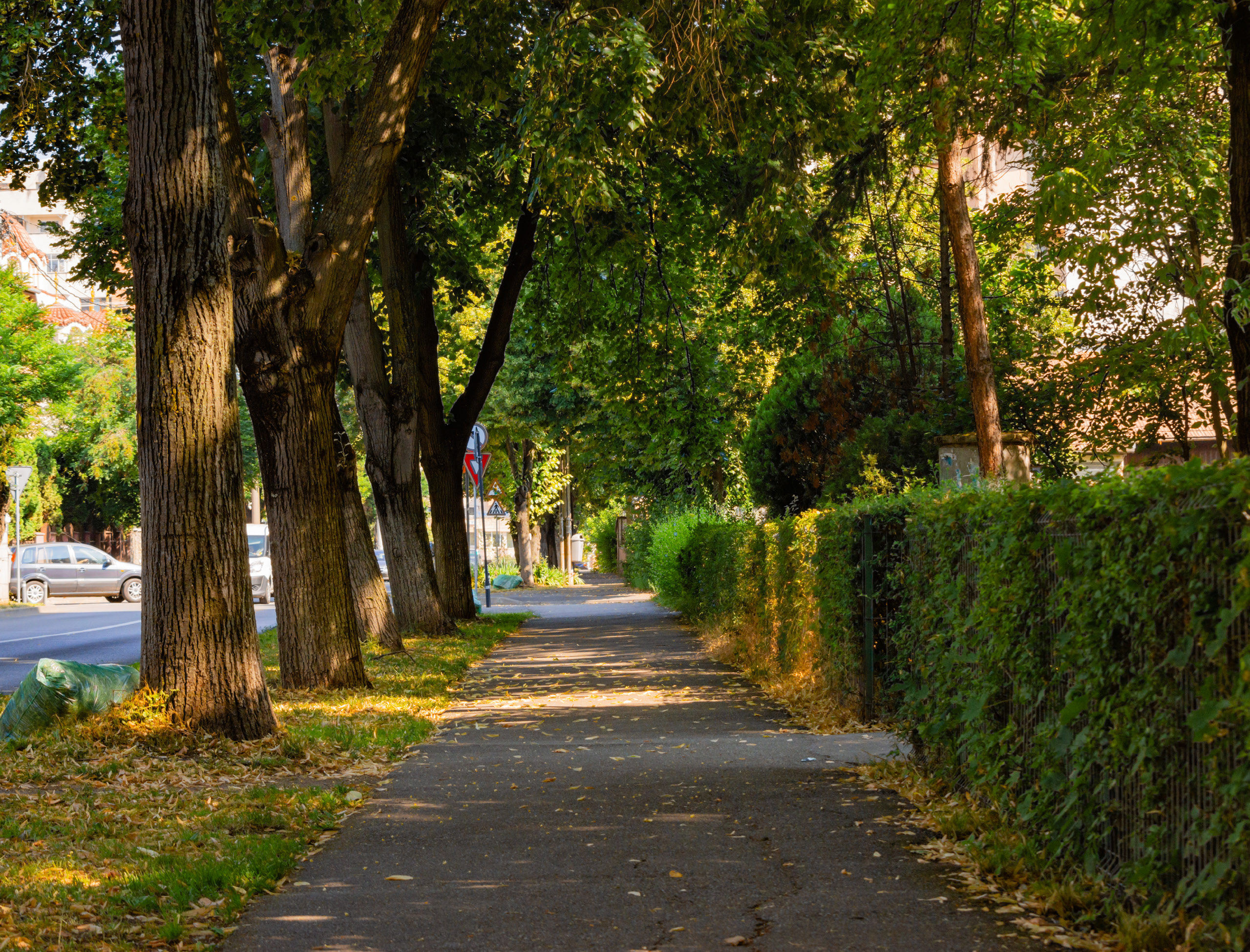
The project team developed Best Practices for Boulevard Tree Selection, a guidebook that recommends procedures for selecting, planting and caring for street trees based on the experience of city and county agencies in Minnesota. It also offers communication strategies that local agencies can use to encourage the support of residents.
The guidebook also includes appendices that feature useful details regarding boulevard tree projects in Minnesota localities:
- Approved tree species lists from eight Minnesota cities and one county
- Tree ordinance and policy examples from four Minnesota cities
- Brochure template for communication to the public
- City and county survey results
What’s next?
Whether planning to diversify tree species in established neighborhoods, develop an approved tree species list or create a Street Tree Master Plan, local transportation agencies can use this guidance to create leafy green spaces in boulevards, enhancing local roadways for years to come.
 Crossroads